Three early-career scientists helping shape the next generation of wheat defense have been named recipients of the 2026 Jeanie Borlaug Laube WIT Early Career Awards.
The Borlaug Global Rust Initiative (BGRI) selected Shannon Baker, Katharina Jung and Bernice Ngina Waweru for research that connects modern tools with practical wheat improvement. Their work spans aerial phenotyping, wheat genetic diversity and disease-resistance genomics, with direct relevance for breeding programs working to strengthen wheat against disease, drought and climate stress.
The WIT awards recognize early-career scientists working in wheat and its closest cereal relatives. This year’s awardees join a global network of researchers committed to strengthening wheat production and advancing the next generation of leadership in wheat science.
“These scientists are carrying forward my father’s legacy through research that connects discovery, leadership and service to global food security,” said Jeanie Borlaug Laube, chair of the BGRI and daughter of Nobel Peace Prize laureate Norman E. Borlaug. “Their work shows the promise of young scientists who are using innovation and collaboration to protect one of the world’s most important crops.”
The Jeanie Borlaug Laube WIT Early Career Award provides opportunities for training, mentorship and leadership development for scientists working in wheat during the early stages of their careers.
“BGRI was founded on the understanding that wheat disease threats require a global scientific response,” said Dr. Maricelis Acevedo, Research Professor in Cornell University’s School of Integrative Plant Science and Director for Science of the BGRI. “The 2026 WIT awardees reflect that mission through research that connects discovery with practical wheat improvement. The science recognized this year can help breeding programs move faster, use resistance more precisely and strengthen wheat against disease and climate stress.”
2026 WIT Awardees
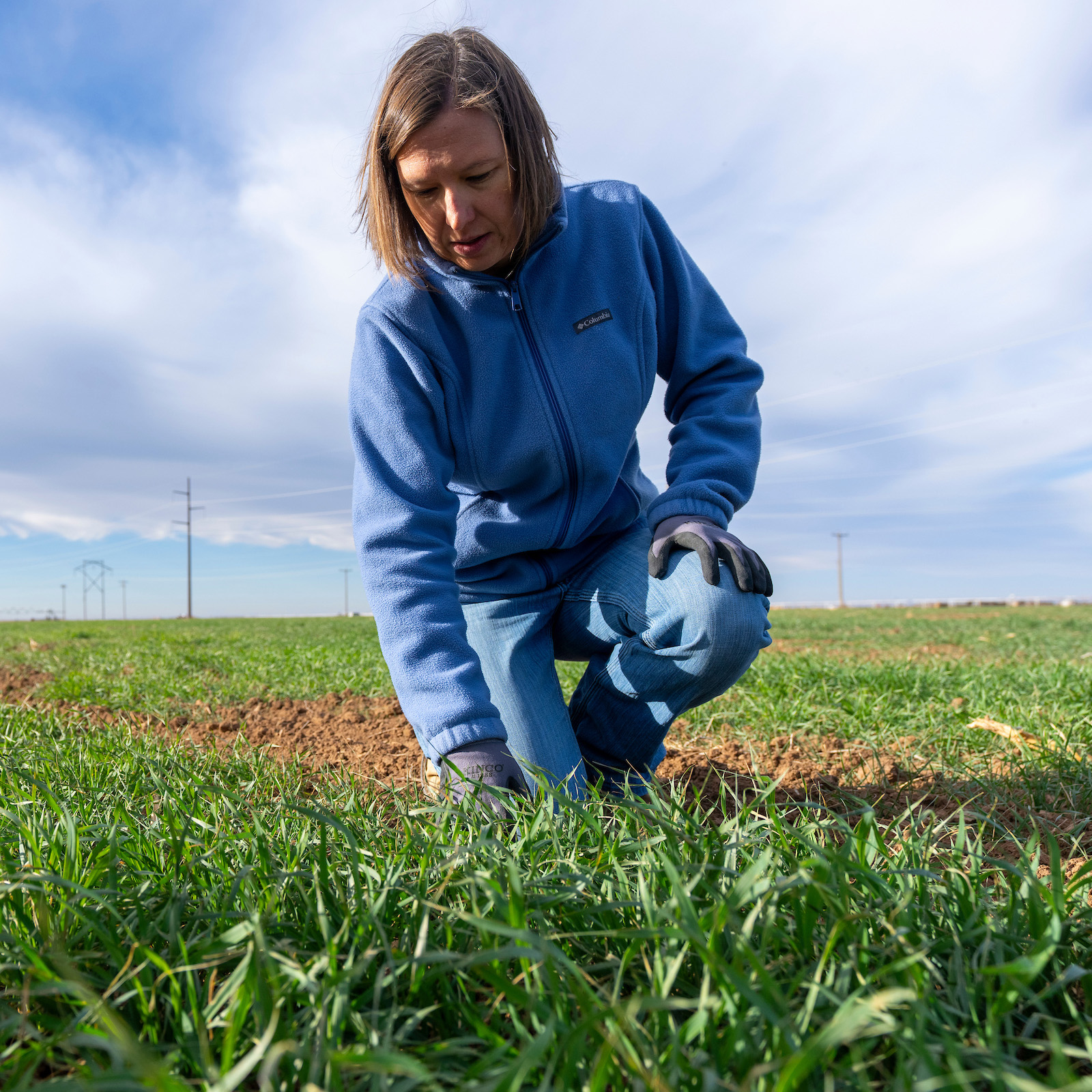
Shannon Baker
Shannon Baker, from Canada and the United States, is an Assistant Research Scientist with Texas A&M AgriLife Research in the United States. Her work integrates unoccupied aerial systems, data analytics and classical breeding to accelerate wheat cultivar development for drought-prone and irrigated production systems.
Baker recently completed her Ph.D. at Texas A&M University under Drs. Jackie Rudd and Amir Ibrahim. Her doctoral research applied UAS-based phenotyping and time-series modeling to improve wheat breeding selection and deepen understanding of genotype-by-environment interactions. By using aerial imagery and data analytics to evaluate wheat growth and field performance, she is helping breeders make more precise selections for resilient, high-yielding varieties.
Baker received her bachelor’s degree in plant science and master’s degree in soil science from the University of Saskatchewan in Canada. She also serves as Education Coordinator for WheatCAP, where she leads national training programs in phenotyping, scientific communication and student professional development. Her work has supported collaborative capacity-building efforts in the United States and internationally, and she is committed to mentoring future scientists and advancing wheat varieties that strengthen global food security.
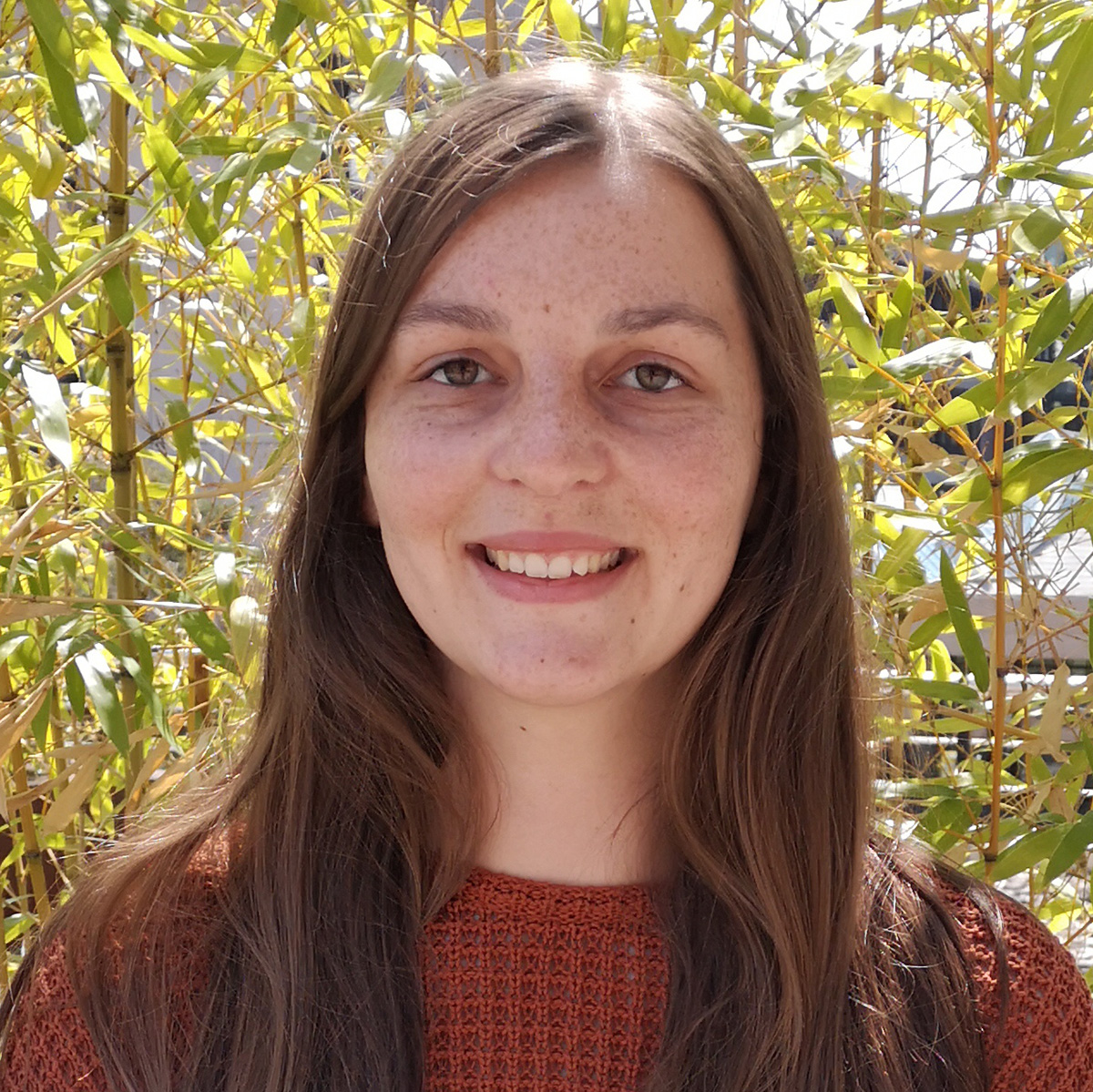
Katharina Jung
Katharina Jung, from Germany, is a postdoctoral researcher at the University of Zurich in Switzerland. Her research focuses on the genetic basis of yellow rust resistance and drought adaptation in bread wheat, with particular attention to modern and traditional wheat varieties from Asia.
Jung works with a nested association mapping population that includes highly diverse Asian wheat varieties that have been underrepresented in modern breeding. Through large-scale field trials in collaboration with CIMMYT, experiments under controlled conditions and genomic analysis, she is working to identify genetic variation that can help wheat better withstand disease and environmental stress.
With a background in agricultural sciences and plant breeding from the University of Hohenheim, Jung bridges genetic research and the practical needs of applied agriculture. Her work reflects the importance of safeguarding and exploring genetic resources, especially as wheat systems face growing pressure from disease, drought and climate variability.
Bernice Waweru
Bernice Waweru, from Kenya, is a fourth-year Ph.D. researcher at the John Innes Centre in the United Kingdom, where she is supervised by Prof. Cristóbal Uauy. Her research focuses on uncovering the genetic basis of wheat disease resistance by integrating molecular biology, high-resolution phenotyping, genetics and k-mer-based computational approaches.
Waweru analyzes large-scale genomic datasets to identify sequence variation underlying yellow rust resistance, particularly at the Yr47/Lr52 locus. Her work helps researchers better understand complex regions of the wheat genome and supports the development of tools that breeders can use to track and deploy beneficial resistance alleles.
She collaborates closely with partners at Limagrain, BASF and CIMMYT to develop haplotype-specific molecular assays for wheat breeding programs. Prior to her Ph.D., Waweru contributed to genomic resources for underutilized crops in Africa and worked at the International Rust Phenotyping Platform in Kenya. She holds a master’s degree in plant breeding and biotechnology and a bachelor’s degree in biomedical science and technology. Across her work, she is committed to collaborative science, mentorship and advancing resilient, nutritious crops for global food security.
About the WIT Early Career Award
The Jeanie Borlaug Laube WIT Early Career Award recognizes early-career scientists working in wheat and its closest cereal relatives. The award supports leadership development, mentorship and participation in the global wheat research community.
For press inquiries or more information, email bgri@cornell.edu.