The Borlaug Global Rust Initiative (BGRI) brings together the global wheat health community for a half-day workshop focused on the progress and priorities sharping the next phase of global wheat health. Designed as both a celebration of the BGRI community and a working forum, the session connects researchers, breeders, surveillance specialists, and early-career scientists to share progress, sharpen priorities, and strengthen the partnerships that protect one of the world’s most critical staple crops. A central feature of the workshop is the recognition of the 2026 Jeanie Borlaug Laube WIT Early Career Awardees, followed by a dedicated session of scientific presentations from selected early-career scientists. These talks spotlight the next generation of wheat researchers and reflect BGRI’s long-standing commitment to strengthening scientific capacity across the global wheat community.
The workshop will be held Sunday, May 24 from 9:00 a.m. – 12:30 p.m. in Room 1. The BGRI session will be recorded.
Opening and Welcome
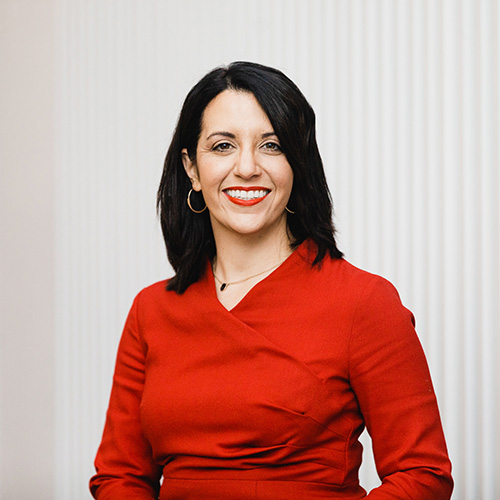
Maricelis Acevedo
Director for Science, Borlaug Global Rust Initiative; Research Professor, School of Integrative Plant Science, Cornell University
The Global Wheat Health Alliance
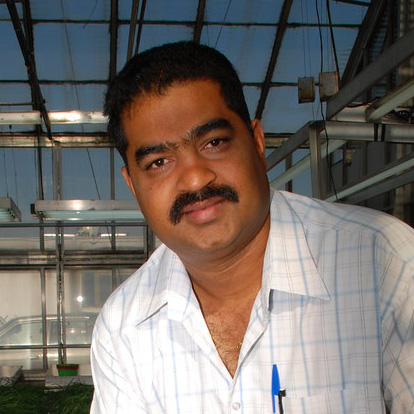
Pawan Singh
Principal Scientist and Head of Wheat Pathology, CIMMYT
The Global Advisory System
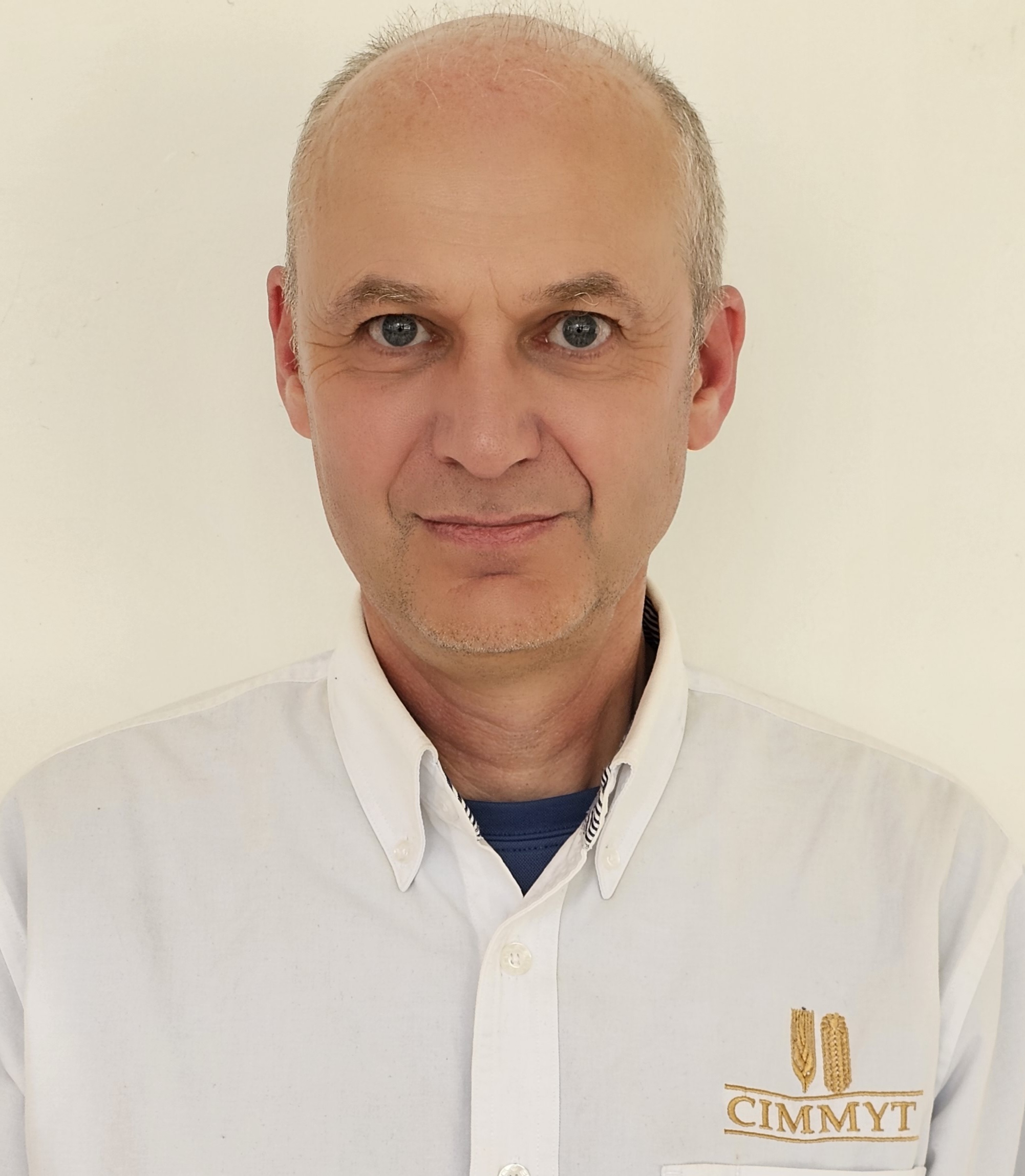
Dave Hodson
Director, Wheat Disease Early Warning Advisory System (DEWAS);
Principal Scientist, CIMMYT
About the Speaker:
Dave Hodson is a Principal Scientist with CIMMYT, currently based in Nepal. For the last 20 years he has worked on developing and coordinating a Global Wheat Rust Monitoring System in response to the threat posed by wheat stem rust Ug99. The wheat rust monitoring system now covers approximately 30 countries in Africa, Asia and Latin America. He currently leads the Wheat Disease Early Warning and Advisory System (DEWAS) project, covering 8 countries in East Africa and South Asia. Through the DEWAS project advanced disease early warning is being implemented and improved pathogen and host diagnostics using molecular tools. His research focuses on the surveillance and monitoring of emerging cereal disease threats and the application of geo-spatial technology for improved decision support.
Global Wheat Health Fellows Program
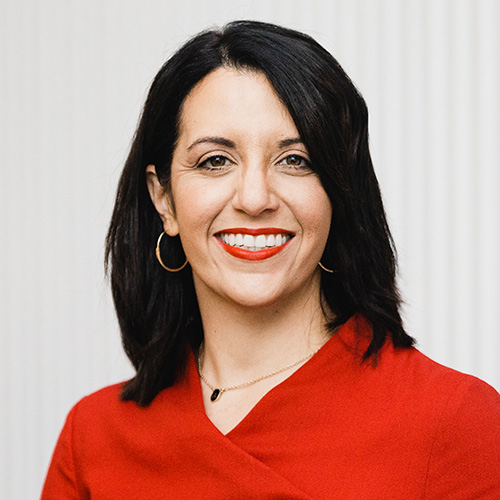
Maricelis Acevedo
Director for Science, Borlaug Global Rust Initiative; Research Professor, School of Integrative Plant Science, Cornell University
About the Speaker:
Dr. Maricelis Acevedo is an internationally recognized plant pathologist and agricultural development leader whose career was shaped by a foundational experience: growing up as the daughter of a farmer turned agronomist in Puerto Rico who demonstrated that science-based solutions could remove barriers and transform livelihoods. That formative insight drives her work today, connecting advanced research institutions with the national agricultural systems and farming communities they are ultimately meant to serve. She leads national and international research programs focused on transboundary cereal disease threats. Her work sits at the intersection of molecular plant pathology, epidemiology, and global agricultural development. She builds the scientific, analytic, and institutional linkages required to manage shared pathogen risks across regions, production systems, and borders, ensuring that advances in pathogen biology and resistance genetics translate into functioning surveillance systems, coordinated disease response, and durable protection for crop production worldwide.
Questions and Answers
2026 Jeanie Borlaug WIT Early Career Awards
From Surveillance to Foresight: Two Decades of Wheat Rust Evolution at the Global Rust Reference Center
Mogens Støvring Hovmøller
Professor, Department of Agroecology, Aarhus University
About the Speaker:
Professor Mogens Støvring Hovmøller is a leading plant pathologist at Aarhus University, Denmark, and founder of the Global Rust Reference Center (GRRC). His research focuses on the epidemiology, genetics, and management of cereal rust diseases, particularly yellow rust in wheat. Through the GRRC, Hovmøller has established an international hub for identifying, monitoring, and sharing knowledge on rust pathogen populations worldwide. His collaborative approach has strengthened crop protection networks in Europe and globally to develop pathogen informed strategies for breeding and deployment of rust-resistant varieties, supporting sustainable food security. His team has been a key player in the major BGRI supported projects to date (2008-2026) by serving the global community accepting rust samples year around for diagnosis in GRRC containment facilities, and for developing and hosting an open-source data science and data management infrastructure, including a global database on wheat disease surveillance and pathogen characteristics.
WIT and Early Career Presentations
Maricelis Acevedo
Director for Science, BGRI
Responding to Yr15 Virulence to Strengthen Wheat Resistance
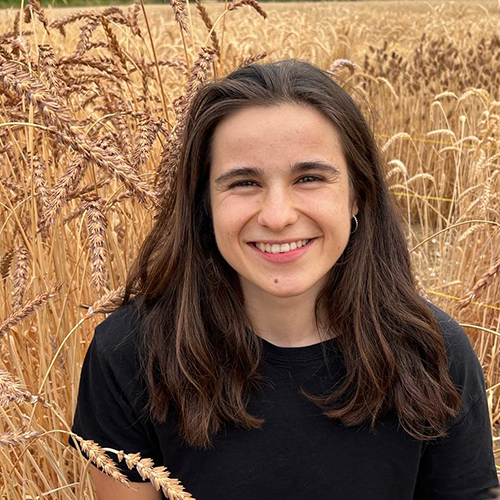
Isabel Faci Gomez,
Postdoctoral Scientist, John Innes Centre
About the Speaker:
Isabel Faci Gomez’s research focuses on deciphering genetics mechanisms governing temperature and photoperiod integration in wheat, and their effects on shoot architecture. Her research includes in-depth phenotyping and meristem transcriptomics with plants grown under various environments. She is using genetics to map the causal gene/s underlying this environmental-genetic interaction and has also established a Temperature-Free Air Controlled Enhancement (T-FACE) system to replicate the future predicted UK weather.
What a Single Reference Cannot Capture: Structural Diversity and Resistance Candidates at the Yr47/Lr52 Locus
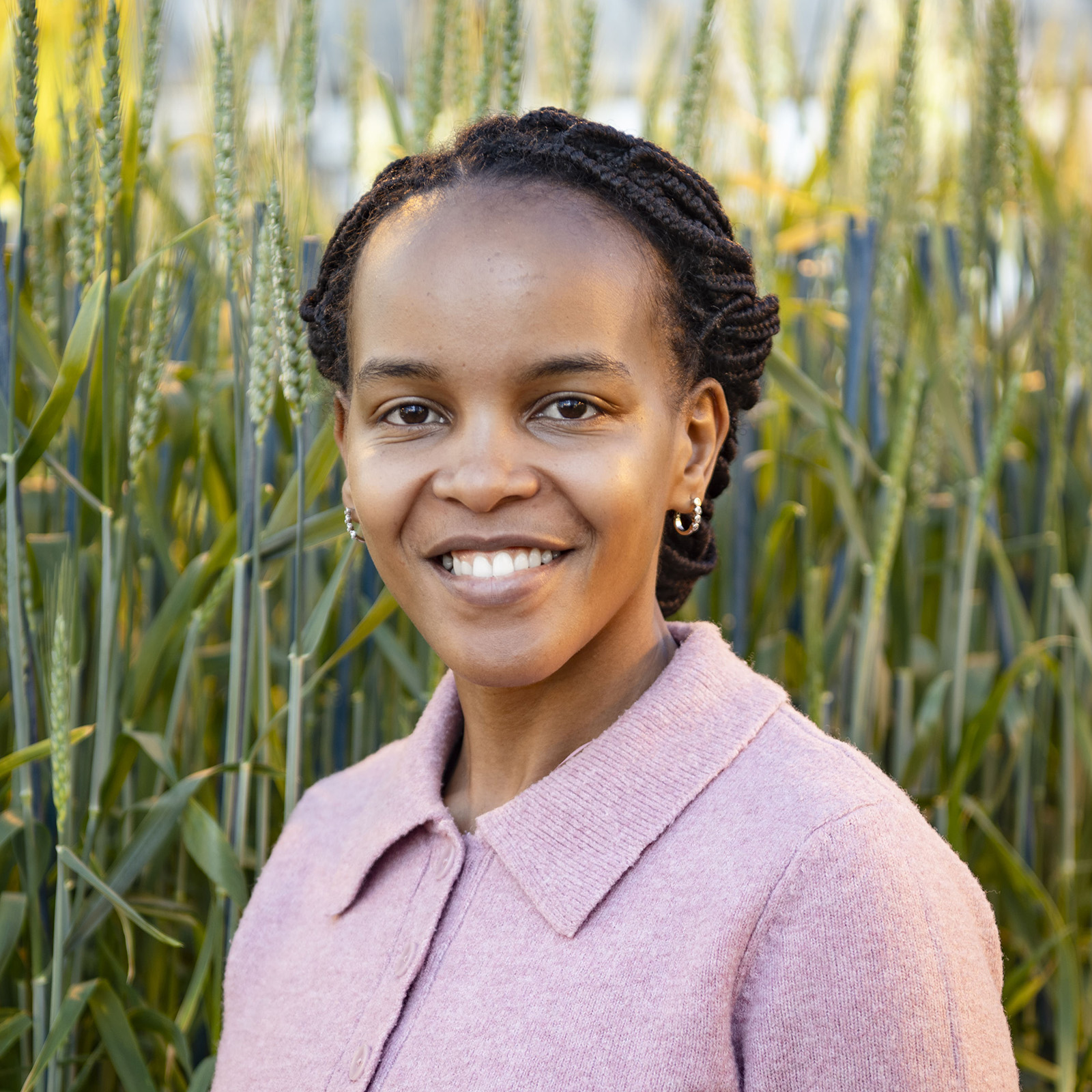
Bernice Waweru
PhD Researcher, John Innes Centre
About the Speaker:
Bernice Ngina Waweru is a fourth-year PhD researcher at the John Innes Centre (JIC), supervised by Professor Cristóbal Uauy. Her work focuses on uncovering the genetic basis of wheat disease resistance by integrating molecular biology, high-resolution phenotyping, genetics, and k-mer–based computational approaches. She analyses large-scale genomic datasets to identify sequence variation underlying yellow rust resistance, particularly at the Yr47/Lr52 locus. Bernice collaborates closely with partners at Limagrain, BASF, and CIMMYT to develop haplotype-specific molecular assays that support the deployment of beneficial alleles in breeding programs. Prior to her PhD, she contributed to developing genomic resources for underutilized crops in Africa and worked at the International Rust Phenotyping Platform in Kenya.
Association Mapping to Identify Loci Associated with Stripe Rust Adult Plant Resistance in Hard Winter Wheat

Mushfique Arefin Mobin
PhD Researcher, Oklahoma State University
Strategically Timed UAS Data Acquisition for Wheat Yield Prediction Using Explainable AI: A Multi-Year Phenology-Aligned Study
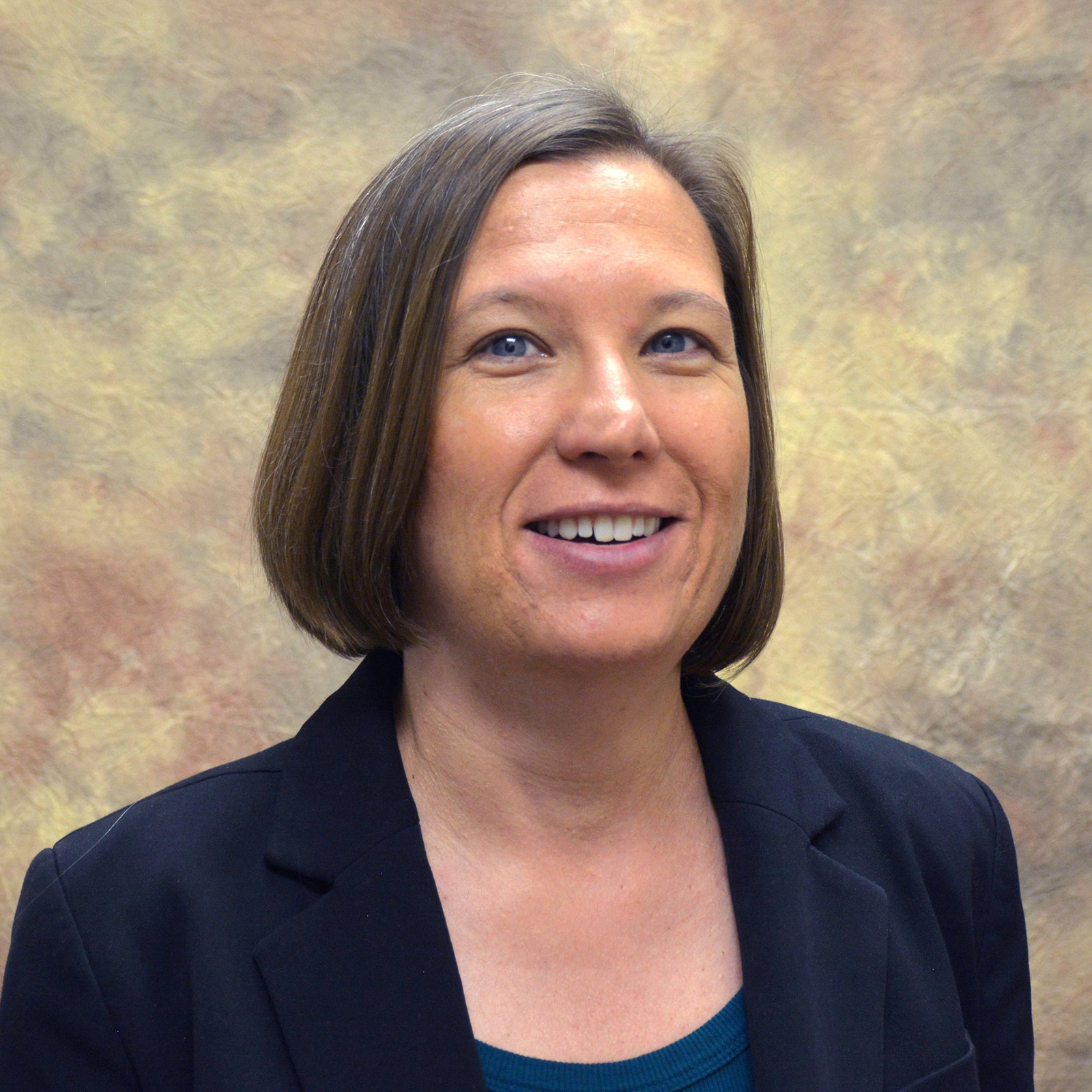
Shannon Baker
Assistant Research Scientist, Texas A&M AgriLife Research
About the Speaker:
Shannon Baker is an Assistant Research Scientist with Texas A&M AgriLife Research in the United States. She integrates unoccupied aerial systems (UAS), data analytics, and classical breeding to accelerate cultivar development for drought-prone and irrigated production systems. She recently completed her PhD at Texas A&M University under Drs. Jackie Rudd and Amir Ibrahim, where her research applied UAS-based phenotyping and time-series modeling to improve wheat breeding selection and understanding of genotype-by-environment interactions. She received her B.Sc. in Plant Science and M.Sc. in Soil Science from University of Saskatchewan in Canada. Baker also serves as Education Coordinator for the WheatCAP, leading national training programs in phenotyping, scientific communication, and student professional development.
Questions and Answers
Pathogen Surveillance Updates: State of Global Wheat Diseases
Dave Hodson
Director, Wheat Disease Early Warning Advisory System (DEWAS);
Principal Scientist, CIMMYT
About the Speaker:
Dave Hodson is a Principal Scientist with CIMMYT, currently based in Nepal. For the last 20 years he has worked on developing and coordinating a Global Wheat Rust Monitoring System in response to the threat posed by wheat stem rust Ug99. The wheat rust monitoring system now covers approximately 30 countries in Africa, Asia and Latin America. He currently leads the Wheat Disease Early Warning and Advisory System (DEWAS) project, covering 8 countries in East Africa and South Asia. Through the DEWAS project advanced disease early warning is being implemented and improved pathogen and host diagnostics using molecular tools. His research focuses on the surveillance and monitoring of emerging cereal disease threats and the application of geo-spatial technology for improved decision support.
Barberry Hunting in the Himalayas
Maricelis Acevedo
Cornell University
Closing
Connect With Us
- Reach out to the BGRI at bgri@cornell.edu.
- Connect with BGRI on Facebook, X, or LinkedIn
- Sign-up for the BGRI Newsletter